Expert Tips for a Seamless Timber Floor Replacement Process
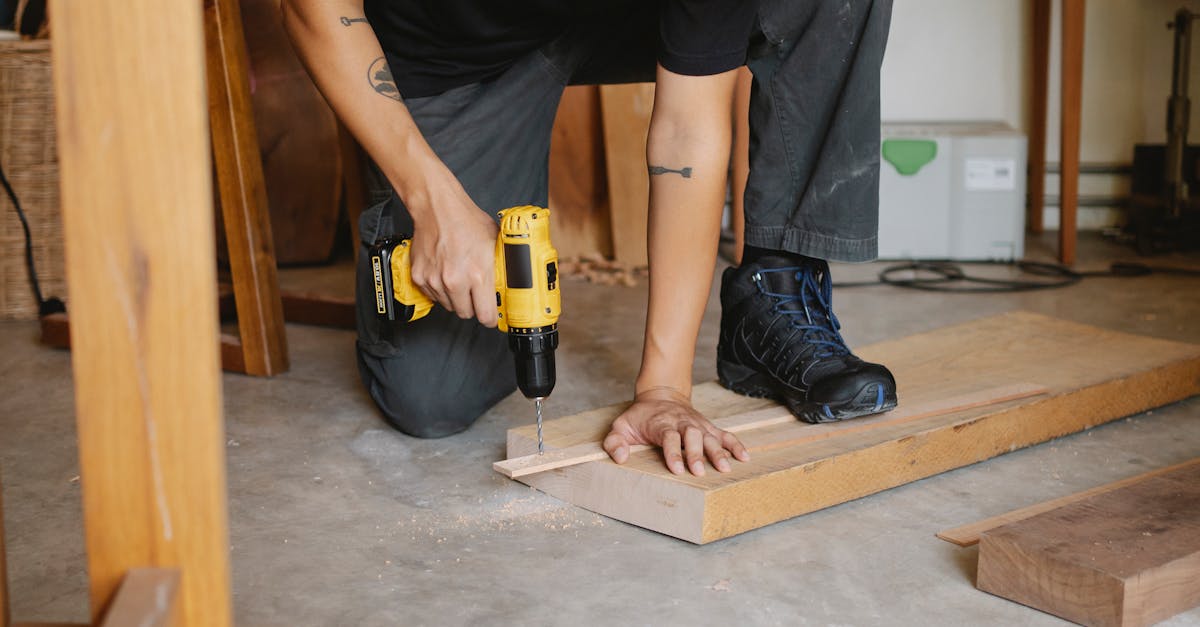
Table Of Contents
Hiring Professional Help vs. DIY
When considering timber floor replacement, homeowners often debate whether to hire professionals or undertake the project themselves. Professional installers bring expertise, ensuring that the timber is laid correctly and adheres to industry standards. This can be particularly advantageous for those unfamiliar with flooring techniques, as mistakes made during installation can lead to costly repairs or a need for total reinstallation.
On the other hand, the DIY approach can be appealing for those looking to save on labour costs. Many enthusiasts find satisfaction in completing such tasks themselves. However, it’s essential to possess the necessary skills and tools to avoid common pitfalls. Understanding the complexity of the project can help inform the decision, weighing both the potential savings and the risks involved.
Weighing the Pros and Cons
When considering whether to hire professionals or tackle a timber floor replacement project on your own, it’s essential to evaluate the potential benefits and drawbacks of each approach. Professional installers bring experience, ensuring a quality finish and adherence to safety standards. They can often complete the job in a shorter timeframe, which may reduce the amount of disruption to your daily routine. On the other hand, DIY projects can offer significant cost savings and provide a sense of accomplishment. However, without the right tools and expertise, there is a risk of mistakes that could lead to costly repairs down the track.
Time commitment is another important factor to consider. A DIY project might be more time-consuming than anticipated, especially without a clear plan and necessary skills. Professional services come at a price, yet they provide peace of mind and guarantee a level of craftsmanship that can be hard to replicate without prior experience. Assessing personal capabilities and availability can help determine which option aligns best with your needs while balancing the potential financial impact and the quality of the end result.
Setting a Realistic Budget
Creating a budget for timber floor replacement involves assessing costs associated with materials, labour, and any additional services. Begin by determining the type of timber you want, as prices can vary significantly based on quality and species. Additionally, factor in the costs of underlay, adhesives, and any finishing products required for a professional appearance. It is wise to get multiple quotes from suppliers and tradespeople to ensure you have a comprehensive understanding of the potential expenses.
Hidden costs often arise during the process, making it essential to allocate funds for unexpected issues. This could include repairs to the subfloor or the need for additional tools and equipment. Setting aside a contingency fund, typically around 10-20% of your total budget, can provide a safety net. By planning for these variables, you can achieve a smoother renovation experience while staying within your financial limits.
Estimating Costs and Hidden Expenses
When replacing timber floors, it’s crucial to account for a range of costs beyond the materials and installation. While the price of flooring boards can often take centre stage, additional expenses can quickly add up. Consider the cost of underlay, adhesives, and any required tools or machinery for the installation process. These essentials, if not anticipated, may strain your budget unexpectedly. Additionally, variations in the type of timber chosen can influence pricing significantly, with high-quality options usually costing more upfront.
Hidden expenses can emerge from unforeseen circumstances, particularly if the subfloor requires repairs or adjustments before the new flooring can be laid. Issues like moisture damage or structural problems might require attention, leading to further costs for repairs or modifications. It is advisable to set aside a contingency fund to accommodate such surprises. This financial buffer can help ensure that you remain within your overall budget while addressing any necessary changes during the installation.
Planning for Disruption During Installation
Replacing timber floors can significantly disrupt daily routines. Homeowners should prepare for inconveniences as the process typically involves noise, dust, and restricted access to certain areas of the home. It is essential to communicate with the installation team regarding the timeline and expectations. This allows for better planning, particularly for families with children or pets.
Creating a temporary living environment can ease the transition during installation. Setting aside a separate space for relaxation or meals will minimise disturbances. It may be beneficial to consider a contingency plan such as staying with friends or family if the disruption is extensive. Preparing in advance fosters a smoother rebuilding of your home’s comfort once the new flooring is installed.
Managing Living Arrangements
Replacing timber floors often requires careful consideration of your living arrangements. Ensuring you have a plan in place can make the process smoother. It may be necessary to temporarily relocate during the installation, especially if the work is extensive or you're dealing with a large space. If you choose to remain in the home, designating a specific area where you can comfortably live during the renovation can minimise disruptions and help maintain normalcy.
Another important factor is the timing of the project. Consider scheduling the replacement during a time when you or your family can easily adapt to the changes. School holidays or weekends might be ideal for families. Being flexible with your living arrangements and open to alternative arrangements, such as staying with friends or family, can alleviate stress and allow the installation team to work efficiently without hindrance.
FAQS
Should I hire a professional for timber floor replacement or try a DIY approach?
It depends on your skill level, the complexity of the project, and your available time. Hiring a professional can ensure a higher quality finish and save you from potential mistakes, while DIY can be more cost-effective if you have the right tools and experience.
What are some hidden costs I should consider when budgeting for timber floor replacement?
Hidden costs may include subfloor repairs, removal and disposal of old flooring, additional materials like underlay, and potential adjustments needed for doors and trims. It’s essential to factor in these expenses when setting your budget.
How long does a timber floor replacement typically take?
The duration can vary based on the size of the area and the complexity of the installation. Generally, a professional installation may take anywhere from a few days to a week, while DIY projects could take longer depending on your schedule.
What is the best way to manage living arrangements during the floor installation?
If possible, consider temporarily relocating to a different area of your home or staying with friends or family during the installation. Ensure you have an alternative space to access essentials, as the work area will be disrupted.
Can I install timber flooring over existing flooring?
In some cases, you can install timber flooring over existing flooring, but it’s crucial to check the condition of the old floor and ensure it’s level and secure. Consulting with a professional can help determine the best approach for your situation.
Related Links
Evaluating the Cost of Timber Floor Removal in SouthportCommon Challenges During Timber Floor Removal and How to Overcome Them
Material Considerations for Timber Floor Replacement
The Role of Professionals in Timber Floor Removal
Identifying Signs You Need Timber Floor Replacement
Safety Precautions When Removing Timber Flooring
Preparing Your Home for Timber Floor Replacement Services