How to Identify Authentic Reclaimed Timber Flooring
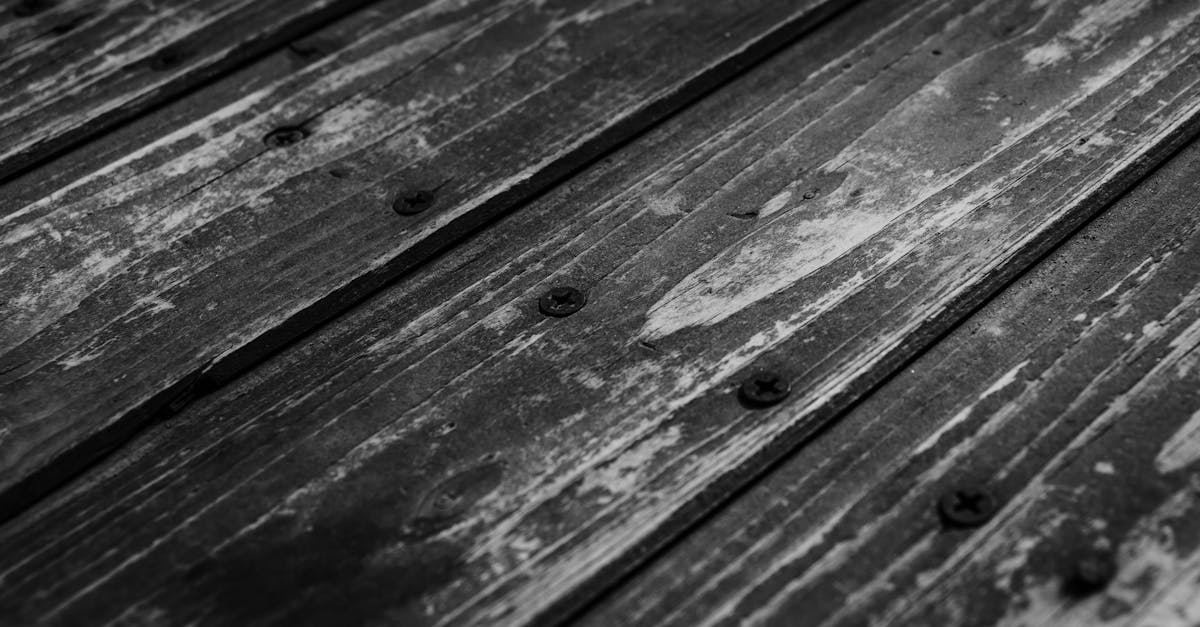
Table Of Contents
Techniques for Identifying Reclaimed Timber
When assessing timber flooring, one effective technique is to closely examine its texture and finish. Authentic reclaimed timber often exhibits a weathered appearance, featuring grooves and imperfections that reflect its history. This patina cannot be easily replicated, giving it a unique character. Hand-sawn marks or circular saw cuts may also be present, which serve as indicators of its age and authenticity.
Another key technique involves analysing the end grain of the timber. This microscopic examination reveals grain patterns that can indicate the wood species and how it has been processed. Reclaimed timber may display distinctive growth rings, often irregular in spacing. These nuances can provide further insights into the timber's origin and age. Understanding these characteristics aids in distinguishing genuine reclaimed flooring from newer, artificially distressed alternatives.
Inspecting the End Grain
The end grain of timber reveals much about the wood's age and authenticity. Genuine reclaimed timber often displays a unique pattern, showcasing growth rings that differ in width and density, which indicates its prolonged exposure to environmental conditions. A close inspection may reveal irregularities that are characteristic of old growth timber, such as nail holes, insect damage, or slight warping. These traits can enhance the visual appeal and signify the material's history.
In contrast, timber that has been artificially distressed might present an overly uniform pattern with little variation in the grain. This could indicate a synthetic or manufactured product designed to mimic the appearance of reclaimed wood. Evaluating the end grain can help differentiate between true reclaimed materials and imitations, ensuring that the investment made in flooring contributes to both aesthetic and authenticity.
Common Misconceptions about Reclaimed Timber
Many people believe that all reclaimed timber is of superior quality compared to new timber. This assumption often leads to disappointment, as not all reclaimed wood comes from well-maintained structures. The condition of the wood can vary significantly, influenced by factors such as age, exposure to the elements, and previous applications. It is essential to scrutinise each piece carefully to determine its viability for flooring.
Another prevalent misconception is that reclaimed timber is always an environmentally friendly choice. While it does repurpose materials and reduce waste, the environmental impact can depend on various elements. The source of the timber, how it was processed, and the distance it travelled to reach the consumer all play critical roles in its overall sustainability. Therefore, it is important to consider these factors when evaluating the eco-friendliness of reclaimed timber products.
Debunking Myths
Many people assume that all reclaimed timber is the same, often neglecting the diverse range of materials available. The truth is that reclaimed timber varies greatly in terms of species, age, and origin. Consequently, buyers may overlook unique characteristics and qualities that different types of reclaimed wood possess. This common misconception can lead to disappointment if expectations do not align with reality.
Another prevalent myth is that reclaimed timber is always more environmentally friendly than new timber. While using reclaimed materials certainly reduces waste, it is essential to consider the sourcing practices and overall lifecycle of the timber. Some reclaimed woods may come from unsustainable sources or undergo processing that negates their environmental benefits. Understanding the true environmental impact requires careful consideration beyond simply labelling wood as 'reclaimed'.
The Importance of Provenance in Reclaimed Timber
Understanding the origins of reclaimed timber enhances its value and authenticity. Provenance signifies where and how the wood was sourced, which can greatly influence its quality and character. A reliable history can indicate whether the wood has been salvaged from reputable buildings or ethically sourced environments. This traceability not only assures buyers of the material's integrity but also contributes to sustainable practices and supports local economies.
Furthermore, knowing the background of reclaimed timber can add personal stories and historical significance to each piece. Many consumers appreciate the narrative that comes with these materials, often associated with heritage sites or specific architectural styles. Buyers often seek out timber with a rich history, finding joy in knowing their flooring has been part of a larger narrative. The emotional connection to the provenance can enhance the overall experience of owning and using reclaimed timber in their homes.
Tracing the Timber's History
Understanding the history of reclaimed timber adds significant value to its authenticity. Many factors influence the narrative of timber, including the region of origin, age, and previous uses. It is essential to investigate any available documentation, such as certificates of authenticity or records from previous owners, to establish a credible lineage. This helps ensure the timber is not just a product of modern recycling efforts but has a rich story tied to its existence.
Local resources often provide historical context for reclaimed timber. Seeking information from timber merchants or heritage groups can uncover important details about the material's origins. Recognising the species is equally crucial, as certain types of timber are more sought after due to their unique histories and characteristics. Engaging with experts or historians can enhance understanding and appreciation of the timber, making it easier to distinguish genuine reclaimed materials from imitations.
FAQS
What is reclaimed timber flooring?
Reclaimed timber flooring is made from wood that has been salvaged from old buildings, barns, or other structures, repurposed for new use while retaining its unique characteristics and history.
How can I tell if timber is genuinely reclaimed?
To identify authentic reclaimed timber, inspect the end grain for unique markings, look for signs of age such as nail holes or weathering, and verify the timber's provenance or history.
Are there any common misconceptions about reclaimed timber flooring?
Yes, one common misconception is that all reclaimed timber is of higher quality than new timber. In fact, quality can vary, and it’s important to assess each piece individually.
Why is provenance important when selecting reclaimed timber?
Provenance refers to the history and source of the timber. Knowing its background helps ensure that the timber is ethically sourced and provides insight into its quality and characteristics.
Can I use reclaimed timber for all types of flooring?
While reclaimed timber can be used for various flooring types, it’s essential to consider its condition and suitability for your specific space. Some reclaimed woods may require special treatment or care.
Related Links
The Environmental Impact of Using Reclaimed Timber FlooringTop Sources for Quality Reclaimed Timber in Southport
Common Issues with Reclaimed Timber Flooring and Their Solutions
Maintenance Tips for Preserving Reclaimed Timber Floors
Customising Your Space with Reclaimed Timber Flooring
Installation Techniques for Reclaimed Timber Flooring
Comparing Costs: Reclaimed Timber Versus New Timber Flooring
Design Inspirations for Incorporating Reclaimed Timber Floors